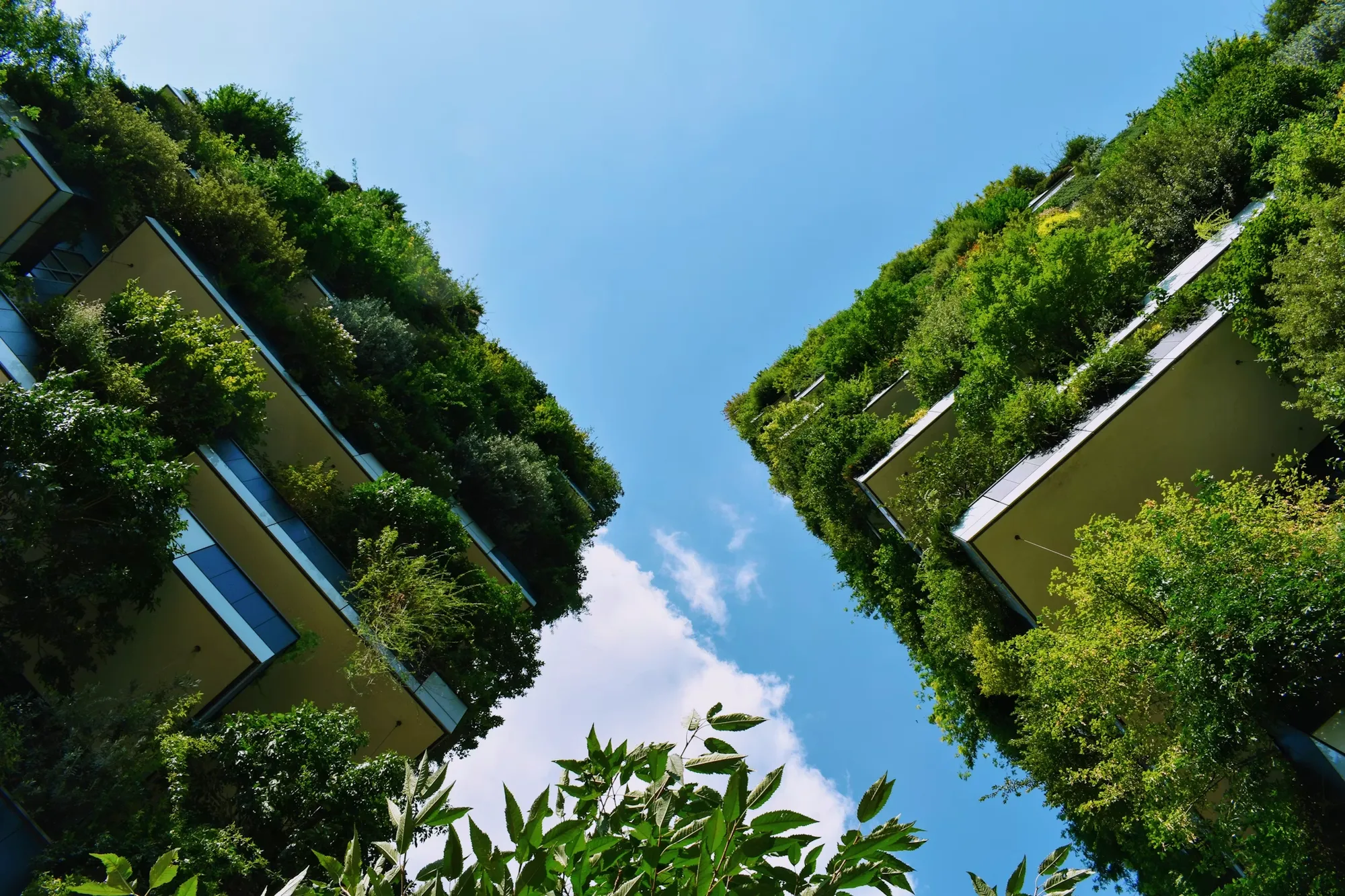
Environmental Harmony – Sustainable Surrounding
Circular Construction and Sustainable Innovation
2025 Sustainable Architecture Highlights
10Projects
Green Building Labels or candidate certificates
1Projects
Low-Carbon Building candidate certificate
3Projects
Building Energy Efficiency candidate certificates
3Projects
Intelligent Building Labels or candidate certificates
From design through construction to occupancy, Farglory Land integrates low-carbon design, building energy efficiency, smart technology, and age-inclusive thinking into product development, creating future-ready homes that balance environmental sustainability with quality of life.
Farglory Land's Four Sustainable Architecture Strategies

Green Building
- Solar PV
- Rainwater Harvesting
- Green Roofs
- Green Building Materials

Low Carbon BuildingLow-Carbon Building
- Low-Carbon Building Rating System (LEBR) Assessment
- Building Energy Efficiency
- Low-Carbon Building Materials
- Whole-Life Carbon Management

Smart Building
- Smart Management
- Smart Security
- Smart Energy Saving
- Smart Innovation

Performance BuildingHigh-Performance Building
- Safety
- Health
- Comfort
- Universal Design for All Ages
Smart Design, Limitless Living
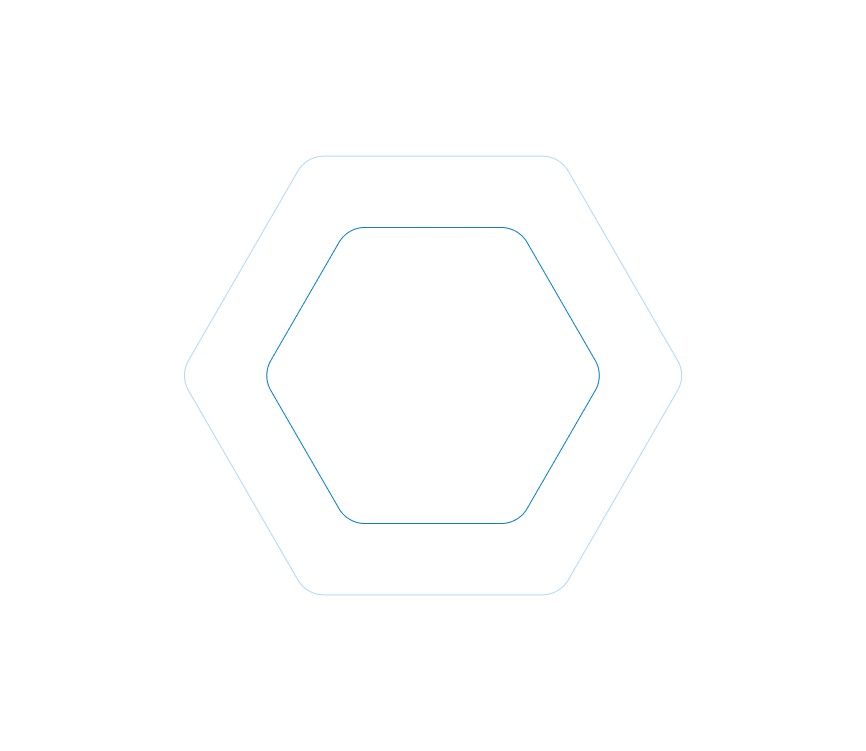
Smart Building Design That Makes a DifferenceSix Management Applications
- 01
Infrastructure
All-Optical Building Network
- Structured Cabling System
- Fiber-Optic Broadband Backbone
- Mobile Signal Coverage
- 02
Operations and MaintenanceOperations & Maintenance
Integrated smart surveillance, access control, and security
- Smart Surveillance System
- Intrusion Alarm and Security System
- Access Control System
- Intercom System
- Emergency Call System
- 03
Smart Innovation
Smart, innovative design methods, equipment, or systems
- Smart Management Cloud Platform
- 04
Health and ComfortHealth & Comfort
Indoor environmental monitoring and smart control
- Digital CO Detectors
- 6-in-1 Detectors
- Environmental Information Display
- 05
Safety and Disaster PreventionSafety & Disaster Prevention
Linked disaster monitoring and response systems
- Video Intercom
- Security and Disaster Prevention
- Living Information
- Multi-Screen Services
- 06
Energy Management
High-efficiency equipment and smart control technology
- Motion-Sensor Lighting
- Digital Water and Electricity Meters
- Grade 1 Energy-Efficient Air Conditioning
Nature-Inspired Passive Design for Comfort and Efficiency
Passive design improves building environments and energy efficiency

01Shading Design

02Natural Daylighting

03Natural Ventilation

04Building Greenery

05Envelope Insulation
Farglory Yang Yue | Low-Carbon Sustainability Results
Estimated Reduction in Greenhouse Gas Emissions from Design and ConstructionEstimated GHG Reduction from Design and Construction
1,210.9Metric Tonsmetric tonsCO2eCO₂e
Approximate Carbon Reduction
13.75%
Certifications and Candidate Certificates
- Green Building – Gold Level
- Low-Carbon Building – Level 2
- Building Energy Efficiency – Level 1 Candidate Certificate
Low-Carbon Circular Building: Whole-Life Carbon Management
Farglory Land manages carbon across design, construction, operation, and circularity, covering materials, construction management, energy efficiency, and resource reuse.

Design
- Green Building Design
- Passive Design
- Low-Carbon Building Rating System (LEBR) Assessment
- Low-Carbon Material Selection

Construction
- Low-Noise, Low-Vibration Assembly Methods
- Construction Energy Management
- Waste Sorting Management
- Resource Use Optimization

Operation
- Building Energy-Efficiency Rating System (BERS) Assessment
- Energy and Water Resource Management
- Smart Monitoring and Energy-Saving Equipment
- Regular Performance Optimization

Circularity
- Recovery of Building Demolition Materials
- Use of Recycled Building Materials
- Resource Reuse
- Building a Circular Economy Model
Within our four-stage approach, CMIP6 future climate data informs energy simulations and design improvements during design and operation.
Extended Methodology | CMIP6
Passive Building Design – Climate Scenario Assessment Module
From 2025, new projects use CMIP6 data to model 2030–2050 climate scenarios for energy assessment and design improvements.