

Sustainability Management Framework
From Architecture to Action: Our Ongoing Commitment to the Environment and Communities
Farglory Land embeds sustainability in governance and decision-making. From senior leadership through cross-department collaboration, environmental, social, and governance goals are integrated into daily operations.
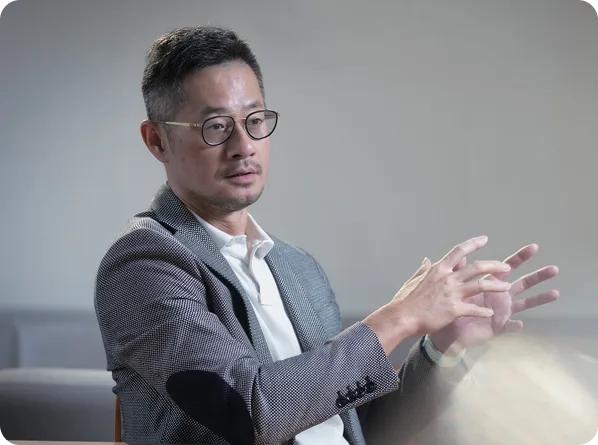

Faced with climate change and rapid social transformation, the property development industry must rethink its role. Grounded in long-term stewardship, Farglory Land continues to advance low-carbon practices, circularity, and shared well-being. Every project can create lasting value for cities and future generations.
Wen-Chia Chao
Chairman, Farglory Land
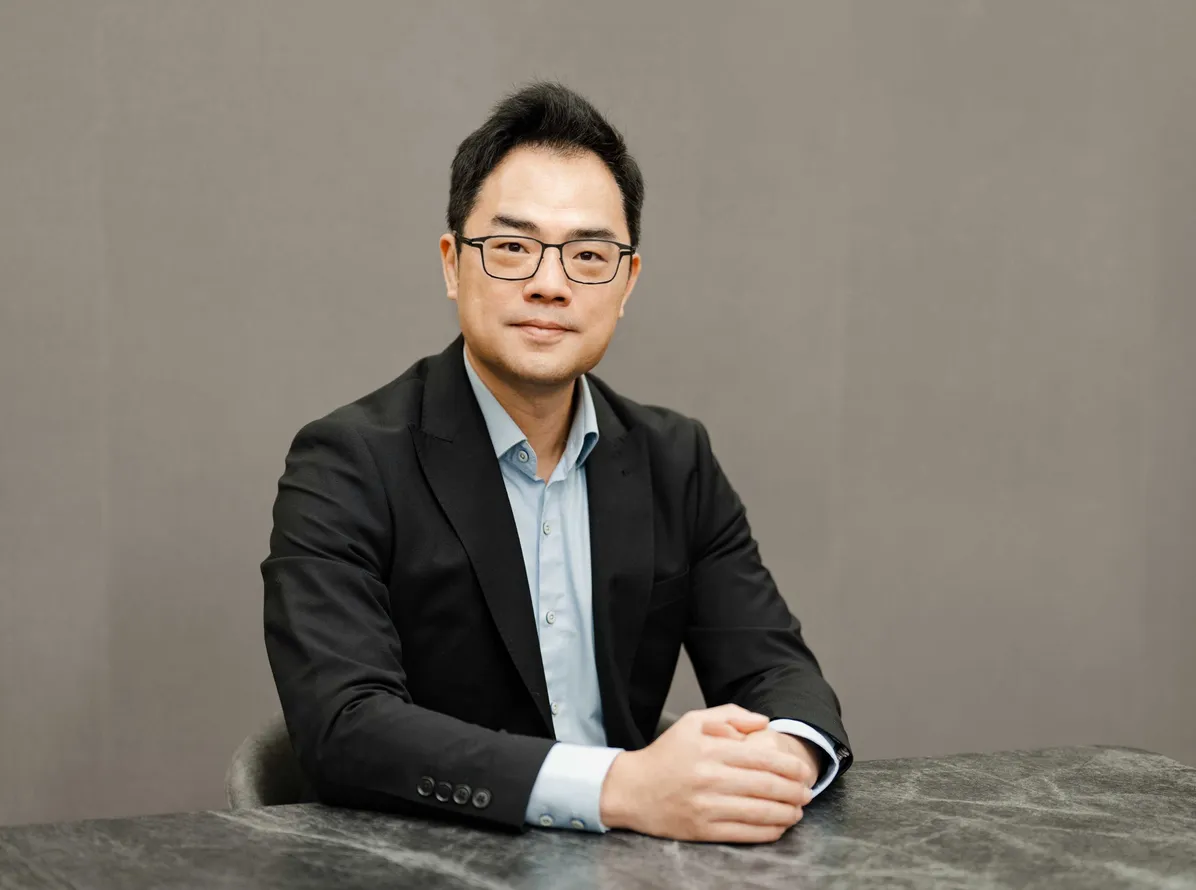
Sustainability strategies create real change only when embedded in operations. Farglory Land integrates sustainability goals across development, design, construction, and service. Through cross-department collaboration and management systems, we turn strategy into actionable, trackable daily practices.
Yao-Tang Wang
President, Farglory Land
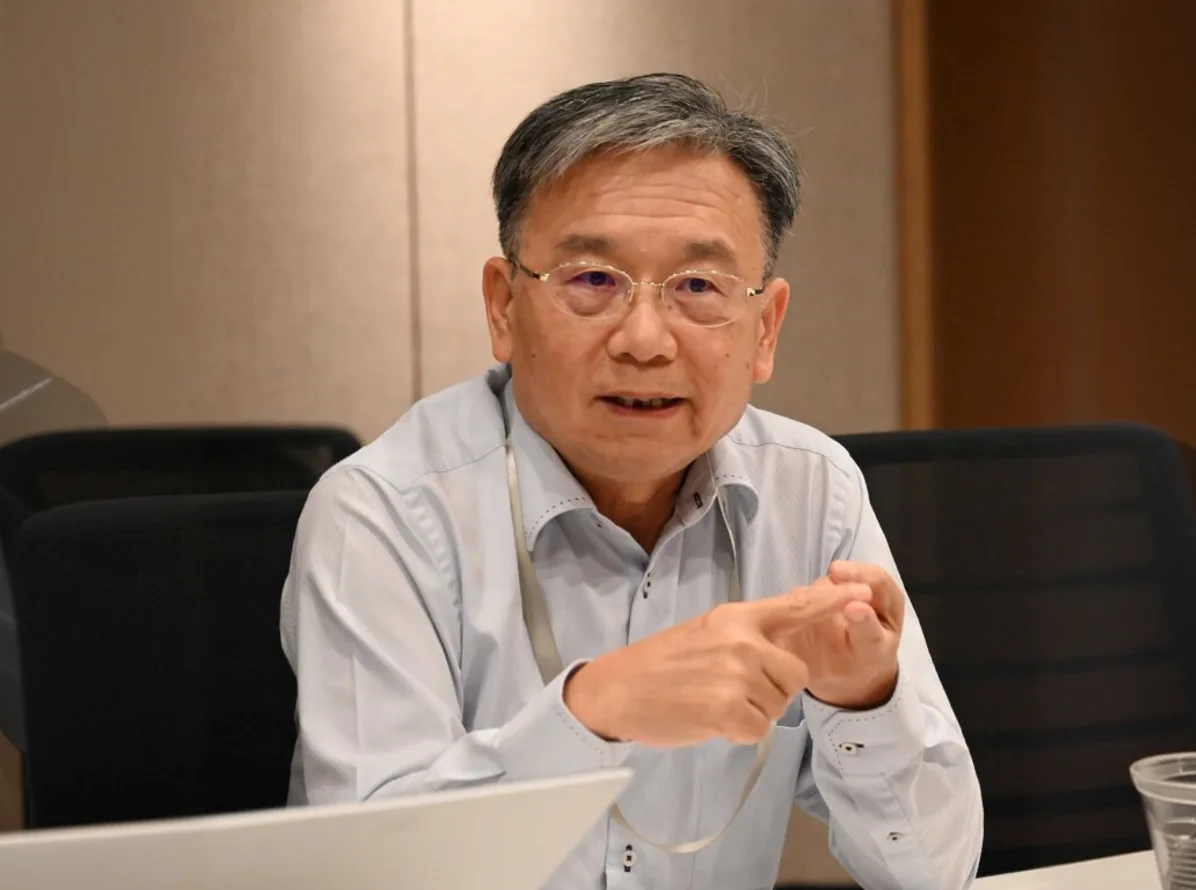
Sustainability transformation requires systematic progress, supported by partners across and beyond the organization. Through clear governance, data-driven management, and stakeholder engagement, Farglory Land continues to identify critical issues. We turn challenges into momentum for innovation and long-term resilience.
Ching-Lin Hsieh
Chief Sustainability Officer, Farglory Land
Sustainability Governance Structure
Led by the Board of Directors and senior management, Farglory Land connects the Sustainability Strategy Office with nine ESG task forces. This creates a comprehensive governance system and a cross-functional collaboration network. Sustainability goals are clearly assigned, continuously tracked, and implemented across every area of the business.

Sustainability Strategy Management Framework
Guided by our core brand values, we develop sustainability strategies, action guidelines, and management practices aligned with the UN Sustainable Development Goals. Our systematic approach connects sustainability issues with brand management, creating a cycle that supports long-term progress.

Materiality Assessment and Stakeholder Engagement
Farglory Land uses multiple communication channels to understand stakeholder priorities. Our materiality assessment identifies corporate impacts across the economy, environment, and society, whether actual or potential. These findings inform sustainability strategy, resource allocation, and disclosure.
Following the AA1000 Stakeholder Engagement Standard (AA1000SES), we identify internal and external stakeholders closely tied to our operations in 7 categories: employees, customers, suppliers, investors, communities, government and industry associations, and others (landowners, banks, and media).
Drawing on the GRI Standards, SASB, TCFD, SDGs, and GRESB, along with sustainability disclosure trends in development and construction, we reviewed our business model and value chain to build a list of 32 sustainability issues as the basis for materiality assessment and ranking.
Senior management conducted a first round of review of the 32 sustainability issues initially compiled, selecting 19 issues based on their relevance and importance to the company's operations to define the scope of further assessment.
Senior management then assessed the impact and likelihood of each of the 19 selected issues on operations, financial performance, regulatory compliance, and market competitiveness, forming a key basis for operational and financial impact analysis and materiality ranking.
Meanwhile, the sustainability team assessed each issue's actual and potential positive and negative impacts on the company's sustainable development and stakeholders across the economy, the environment, and people (including human rights), using quantitative comparison to capture impacts beyond the operational and financial view.
To include external perspectives, the company also surveyed stakeholder concerns across all 7 categories, collecting 286 valid responses. The results show each group's concern for each issue and were factored, with internal assessments, into the overall materiality analysis and ranking.
Combining senior management's operational impact assessment, the sustainability team's analysis of positive and negative impacts, and stakeholder survey results, we used cross-comparison and weighted judgment to rank and consolidate issues into a materiality matrix, confirming 10 material topics for 2025 as the core of our sustainability strategy and disclosure.
Review topics for alignment with our sustainability strategy, then submit them to the Sustainable Development Committee for approval.
Once approved by the Committee, the material topics feed into this year's sustainability strategy and management, with results disclosed in the Sustainability Report under the GRI Standards.
Material Topic Impact Assessment Results
We systematically assess positive and negative impacts, likelihood, and severity to identify priority material topics, then link them to business strategy and concrete action, focusing limited resources on the most critical, long-term issues.


Recognition and Honors
From the circular economy and greenhouse gas inventories to innovation and talent development, Farglory Land measures its progress against external standards. Each verification and recognition is not an end point but a step toward stronger systems, greater capabilities, and continuous improvement.

ISO 59000-Series Circular Economy Verification ISO 14064-1 Greenhouse Gas Inventory Verification
SGS Annual Innovation Award

Taiwan Corporate Sustainability Awards – Gold Award

Talent Quality Management System (TTQS) – Bronze Rating
Latest Sustainability News

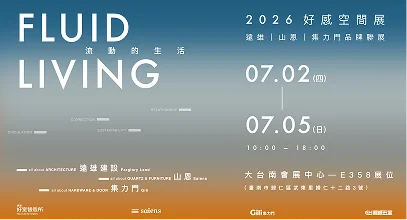

Together with Partners Across Sectors, We Bring Living Better to LifeTogether with Partners Across Sectors, We Bring Living Better to Life
We believe Living Better cannot be achieved alone. Farglory Land works with employees, customers, suppliers, communities, and cross-sector partners. Together, we extend our work beyond construction to the environment and society, responding to real needs. Every collaboration becomes a starting point for change.
