Environmental Harmony – Sustainable Surrounding
Climate Resilience and Nature-Based Adaptation
2025 Site Selection and Ecological Management Highlights
4Projects
Four new project sites added in 2025; none located in geologically sensitive areas.
15Spieces
15 bird species recorded within project sites
100%
100% of old trees on urban renewal sites preserved in place
TNFD
TNFD LEAP approach being planned for adoption
Farglory Land integrates nature-related risks and biodiversity
into site selection and development decisions. Scientific assessment
and cross-disciplinary work create sustainable places
where people and nature thrive.
Site Selection & Development Principles

Site Assessment and Development Principles
- Avoid ecologically sensitive sites, slopes, and high geological risk areas
- Assess legal limits on geology, hydrology, conservation, and urban planning
- Include market conditions in overall assessments
- Preserve open space and plan greenery to reduce environmental impact

Biodiversity and Cultural Heritage Considerations
- For urban renewal involving old trees or historic sites, prioritize relocation, tree survival, and preservation.
- Site bird ecology survey: 15 species
- Prepare to adopt the TNFD LEAP approach
- Improve nature-related risk identification and measurement

Managing Geologically Sensitive Areas
- Manage four sensitive area types: geological heritage, groundwater recharge, active faults, and landslides
- Reduce environmental impact through geological surveys and risk analysis
- No land acquired in 2025 lies in geologically sensitive areas
- Land in high water-risk areas assessed and managed for safety and sustainability
Development in Harmony with Nature and Culture
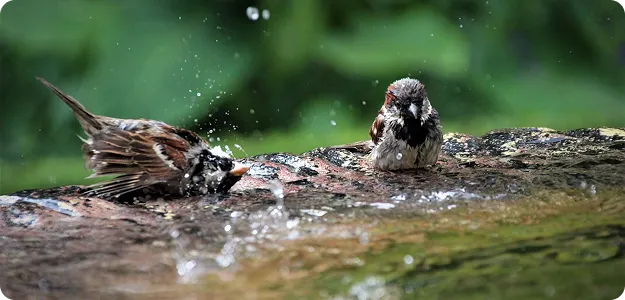
Ecological Conservation Surveys
An ecological baseline survey recorded 15 bird species within the project sites, serving as a reference for site selection assessments.
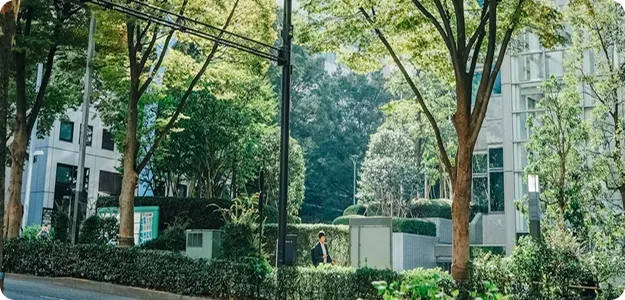
Preserving Old Trees in Place
We keep old trees in their original layout and prune regularly to preserve their form, pedestrian safety, and ecological conditions.
Cultural Preservation:Reusing Existing Buildings
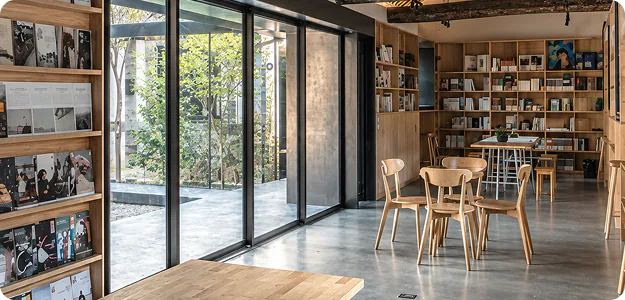
Hall of Light (former dining room and extended balcony)
Flexible indoor/outdoor space ▸ Reading room, lounge, open-air theater ▸ Partners: local performing arts groups and school clubs
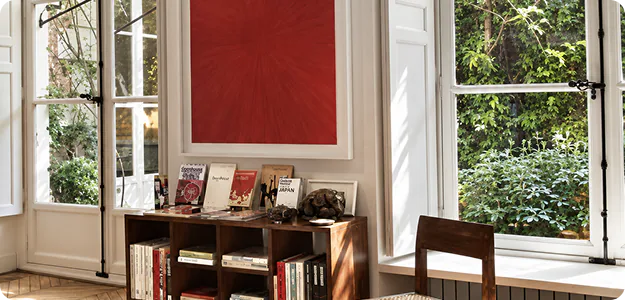
The Gathering Place (former living room and dining room)
An intergenerational community hub ▸ Gatherings, shared meals, senior health education ▸ Partners: local groups, neighborhood associations, and senior clubs
Preparing to Apply the TNFD LEAP Approach in Line with International Practices
- L
Locate
Identify interfaces with nature and sites in ecologically sensitive areas
- E
Evalutate
Evaluate dependencies and impacts on natural capital
- A
Assess
Assess and prioritize materiality
- P
Prepare
Develop response strategies and disclose them
 Completed research on global approaches to TNFD, natural capital, and biodiversity management
- Created a platform for departments to share and deepen ecological knowledge.
- Assessed biodiversity's links to site selection, design, and construction.
- Gradually integrating these findings into development decisions for environmental resilience and lasting sustainability